
ポッドキャスト
当社の検査、リキッドバイオプシー、遺伝子の健康についての情報番組——専門家の視点で、わかりやすい言葉により。
25 エピソード

Interpreting OverC® Results
The cancer signal score, the 'detected / not detected' interpretation, tissue-of-origin prediction and safety notices; a result-letter guide.

Who Is OverC® For? Age, Risks and Contraindications
The 50–75 age range, risk factors and recommended user profile; exclusion criteria from transplantation to recent infections.
The THUNDER Study: Clinical Evidence for OverC®
The design and results of the prospective, independent, blinded validation study NCT04820868; 69.1% sensitivity, 98.9% specificity.
ELSA-seq and Methylation-Based Detection
The single-strand-library ELSA-seq platform, the BRMERMAID® algorithm and how the cancer signal score is computed.
What Is OverC®? Early Detection Across Six Cancer Types
Burning Rock Dx's multi-cancer early detection test OverC®: signal screening for lung, esophageal, colorectal, liver, pancreatic and ovarian cancers from a single blood tube.
What Does RUO Mean? The Boundaries of Research-Use-Only Tests
What 'research use only' means; IVD registration, its place in clinical decision processes and patient safety.
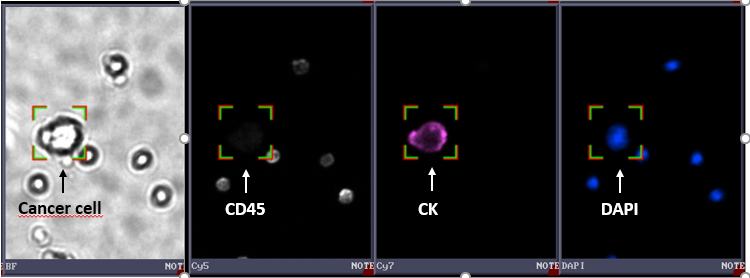
Serial Measurement and Treatment Response in Cancer Monitoring
Tracking disease course with repeated CTC measurements during treatment; early response signals and research on resistance mechanisms.
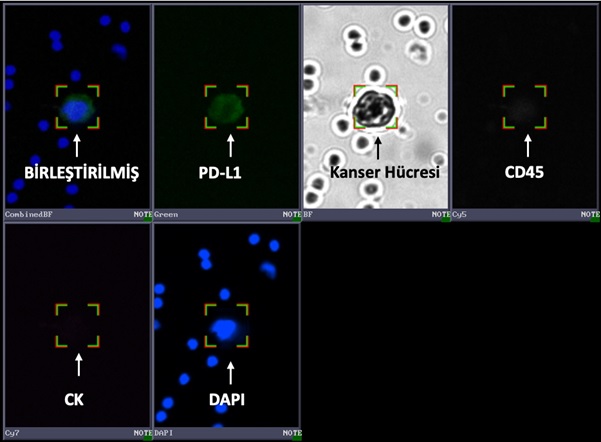
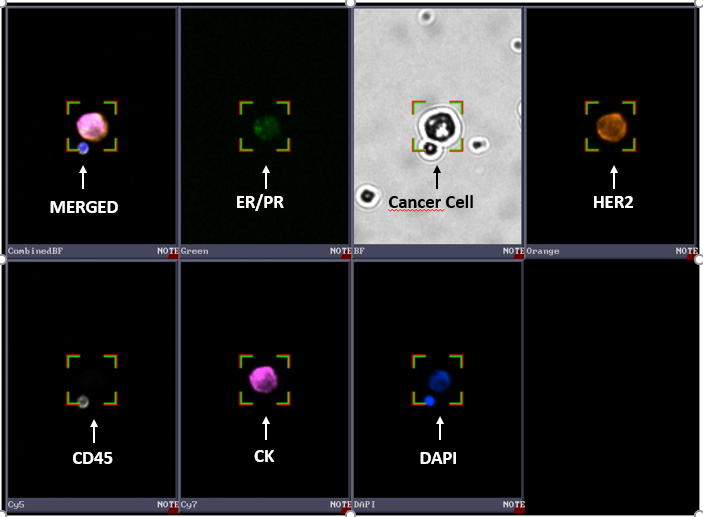
Characterization Panels: ER/PR/Her2 and PD-L1
Not just counting but characterizing CTCs: ER/PR/Her2 for breast cancer follow-up, PD-L1 for immunotherapy response.
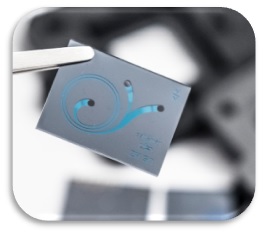
Microfluidic Technology: How Are CTCs Captured?
The working principle of the patented microfluidic chip, size and deformability-based separation, and viable cell recovery.
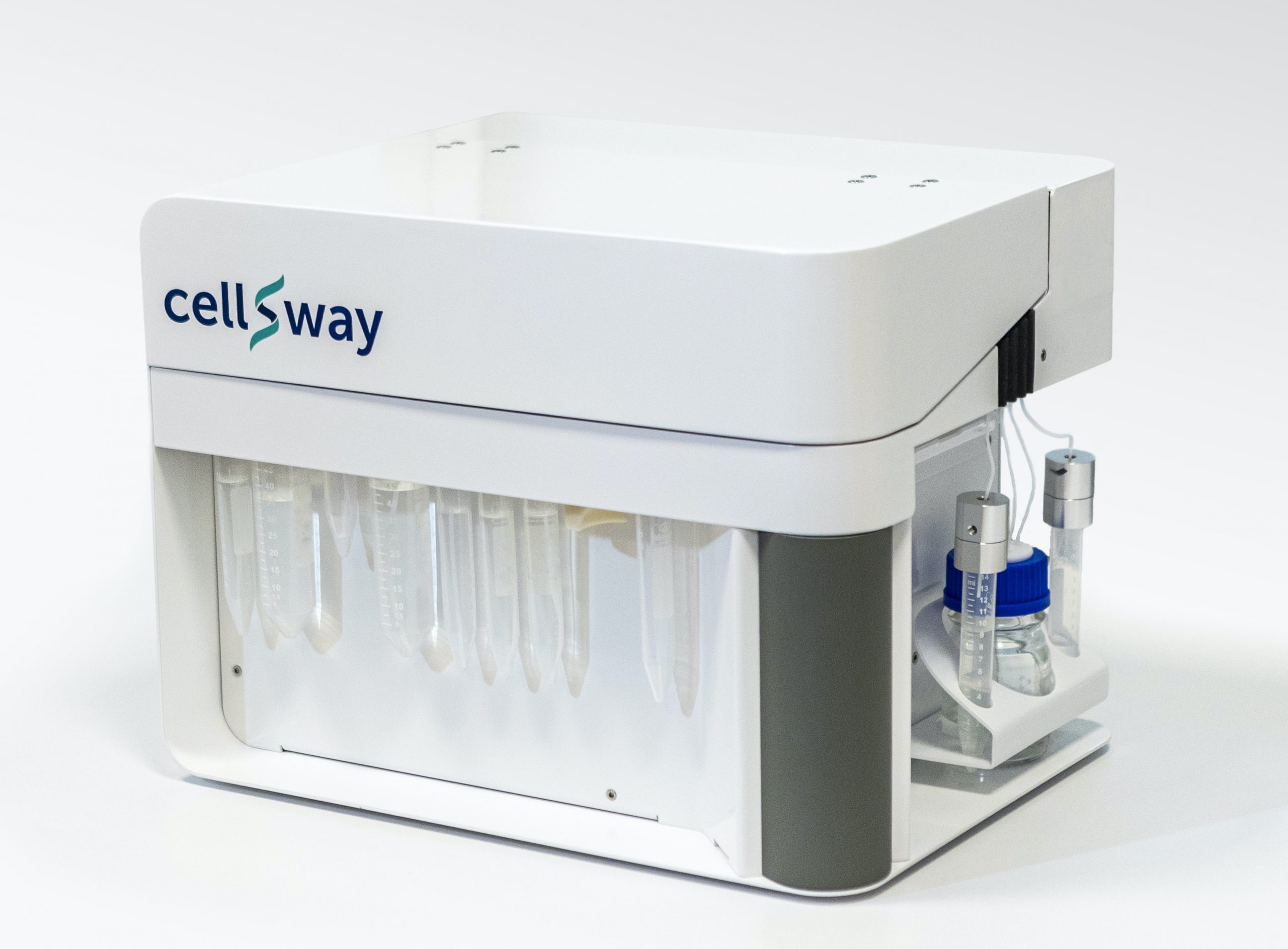
What Is the CellsWay CTC Test? Circulating Tumor Cells
The biology of circulating tumor cells (CTCs), their role in metastasis, and what CTC counting from a single blood tube means.

Galleri® Results and Limitations
What a detected signal means, how to read the CSO prediction; false positive/negative probabilities and the test's limits.
Who Is Galleri® For? Eligibility and the Process
From asymptomatic adults over 50 to pregnant women: who is eligible and who is not; the prescription, blood draw and result process.

The Evidence for Galleri®: CCGA, PATHFINDER and NHS-Galleri
An evidence program with 385,000+ participants: study designs, performance metrics and an honest interpretation of the results.

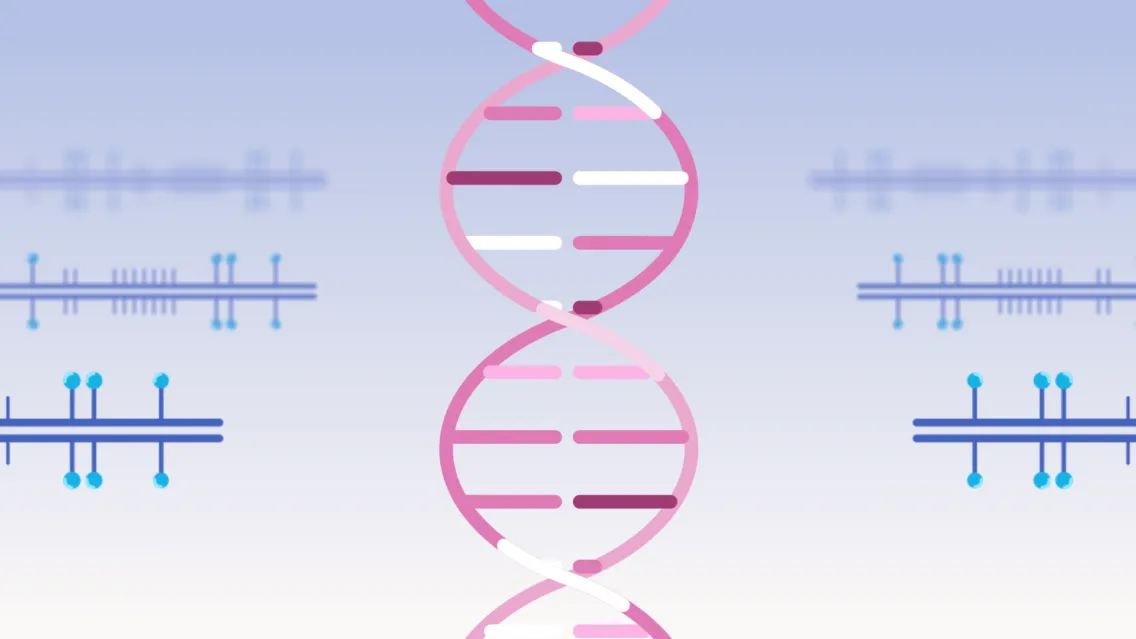
How Does Galleri® Work? Methylation and Machine Learning
Reading cfDNA methylation profiles by next-generation sequencing and converting them into a signal score with a machine-learning classifier.
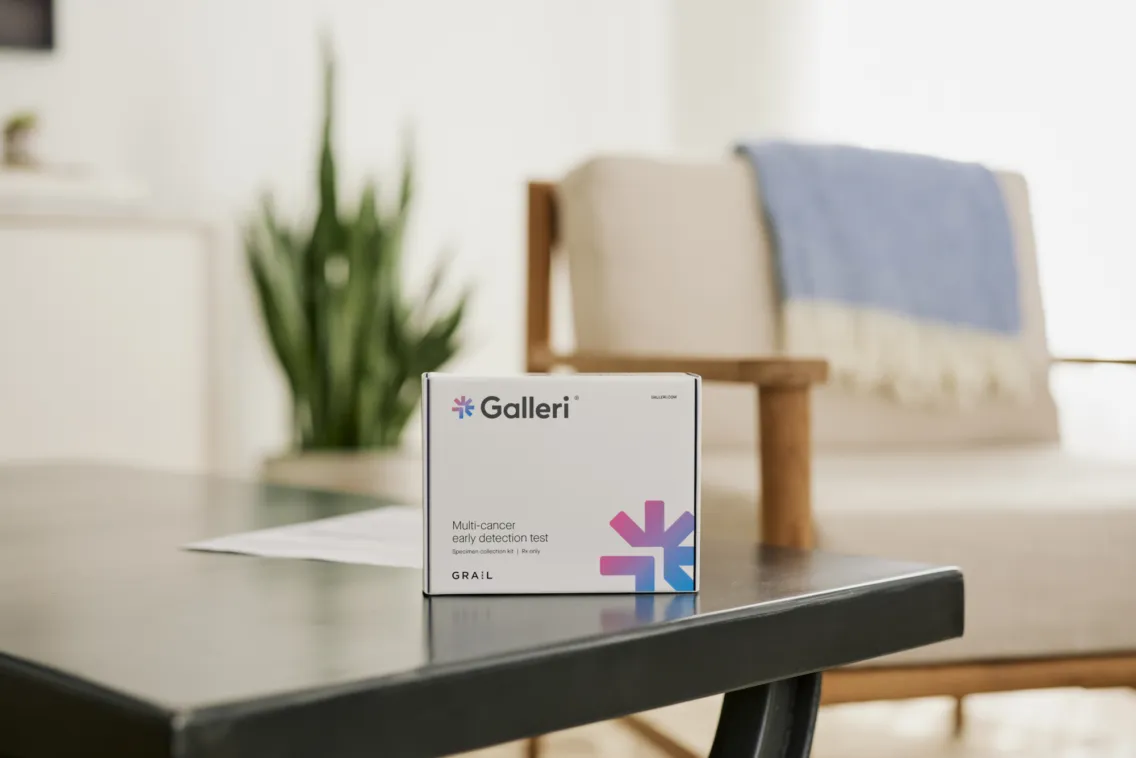
What Is Galleri®? Early Detection Signals Across 50+ Cancers
An introduction to GRAIL's multi-cancer early detection test Galleri®: signal screening across 50+ cancer types from one blood sample, with tissue-of-origin prediction.
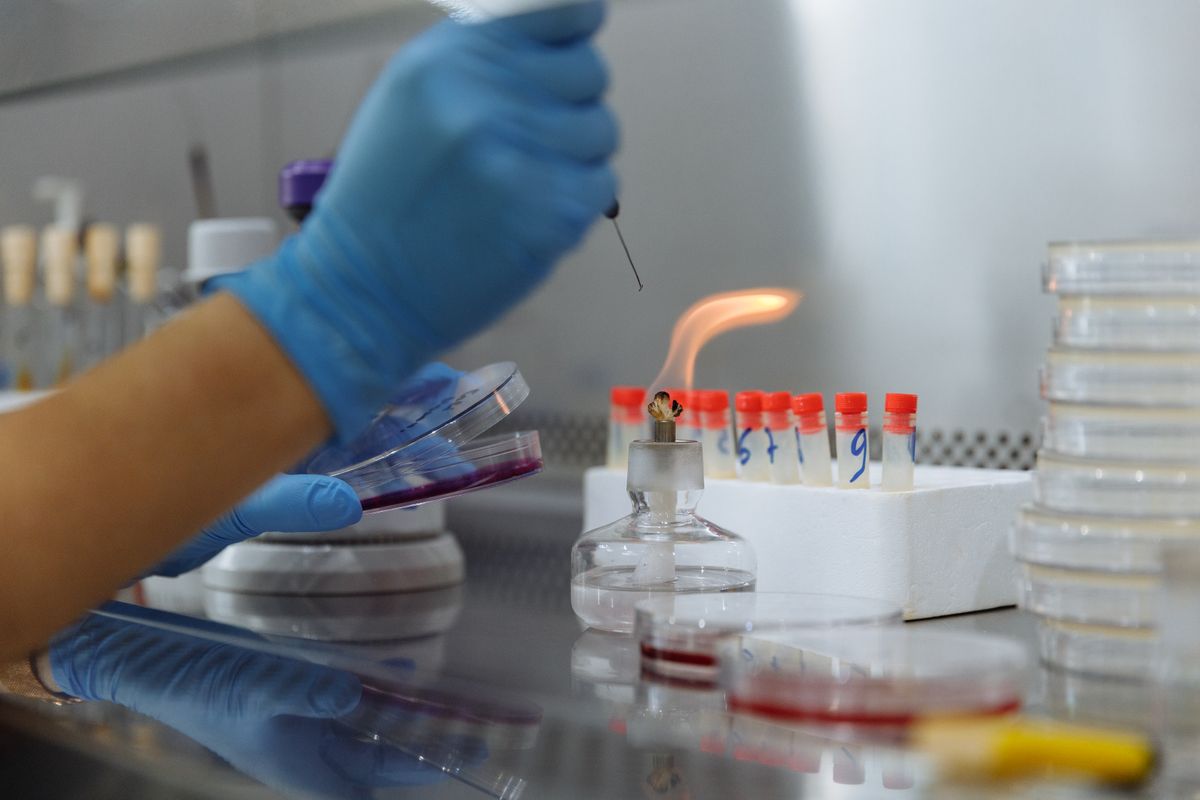
The Future of Liquid Biopsy: MRD, TMB and New Horizons
Minimal residual disease monitoring, tumor mutational burden measurement and where multi-cancer screening is heading; from research to clinic.
What Is Genetic Counseling and When Do You Need It?
The scope of pre- and post-result counseling; family history assessment, risk communication and decision support.

Which Test for Whom? The Logic of Patient Selection
Choosing a test by age, risk factors and medical history; which question Galleri®, CellsWay and OverC® each answer.

Reading Test Results: Sensitivity, Specificity and Probability
What percentages mean, why positive predictive value depends on population; a guide to reading your result letter.
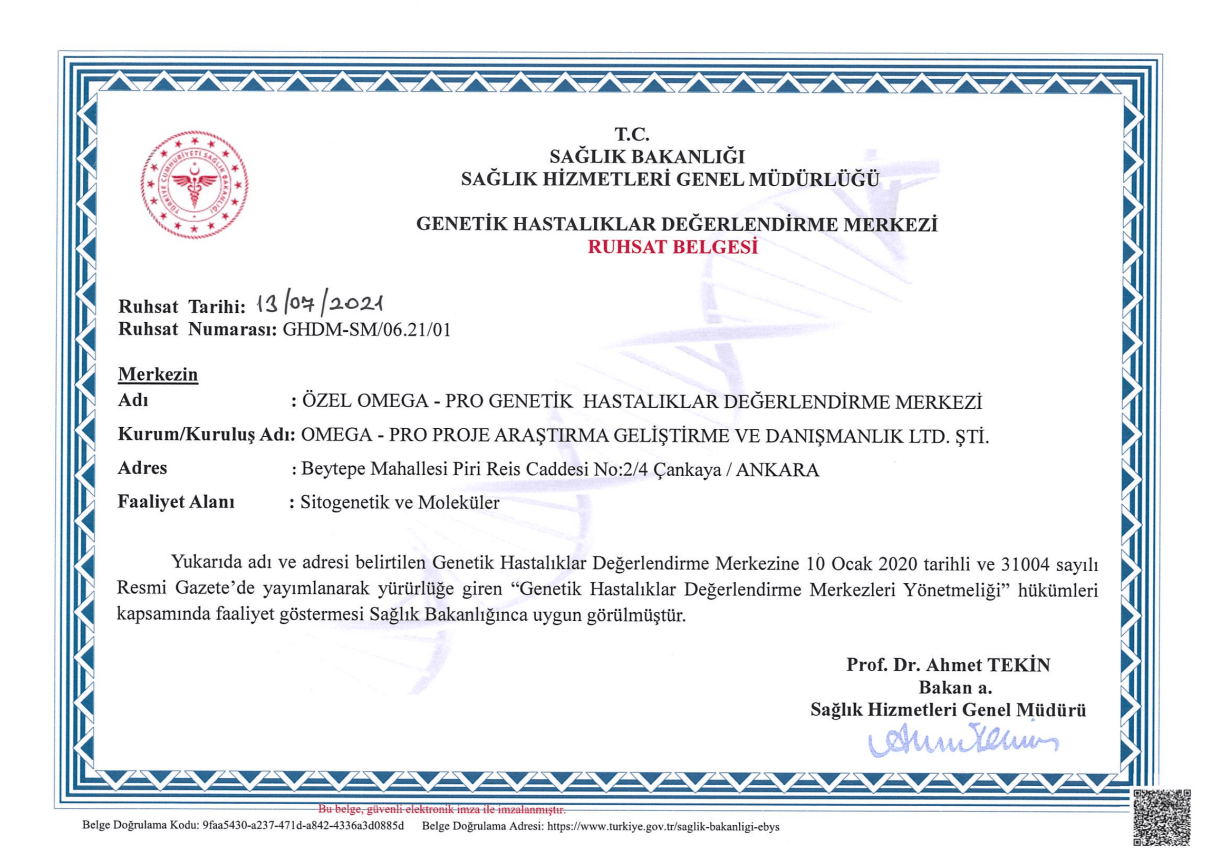
Why Choose a Licensed Genetic Center?
What a Ministry of Health license means, the authorization to send biological material abroad, and the risks of unlicensed centers.

The Journey of a Blood Tube: How Your Sample Reaches the Laboratory
From home blood draw to laboratory analysis: sample acceptance, biological material transfer, transport conditions and reporting.
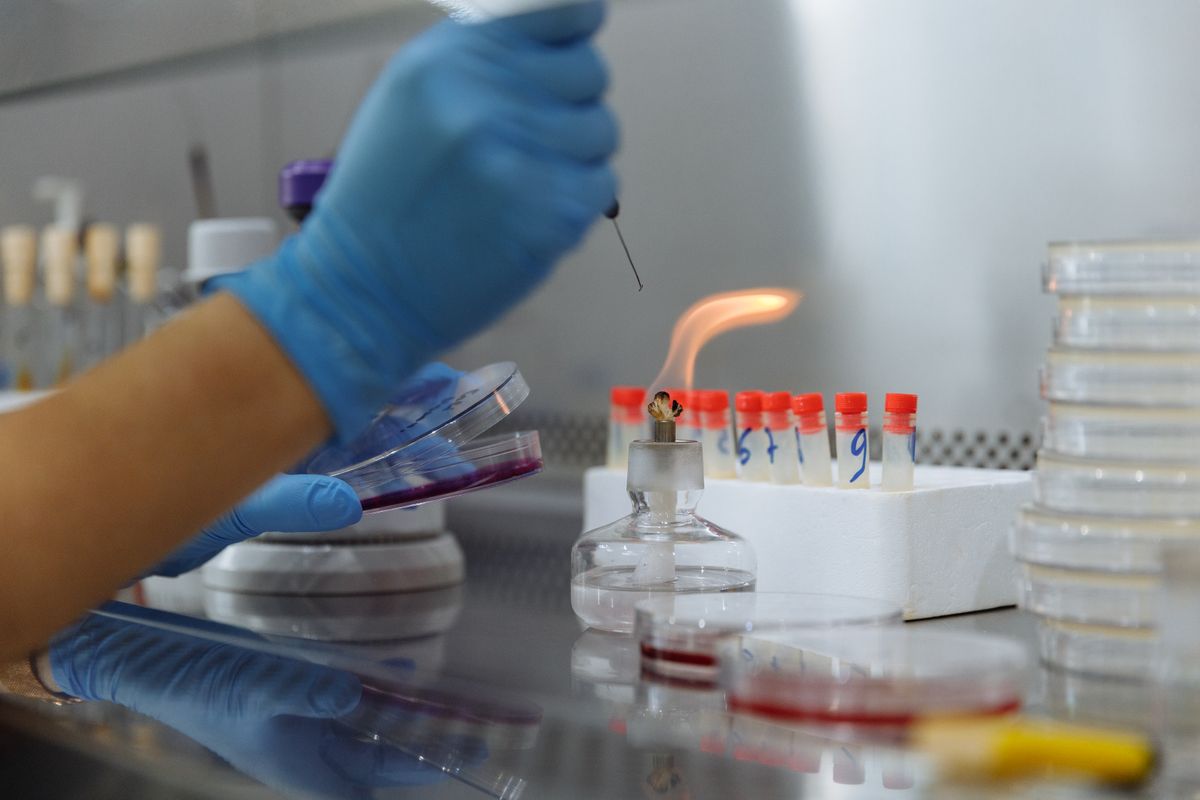
Screening or Diagnosis? Understanding Test Types
Differences between screening, diagnostic and monitoring tests; what a positive result means and why it is not a diagnosis.
cfDNA and Methylation: the Story Blood Tells
How cell-free DNA arises, why methylation marks are cancer's early language; the science through relatable examples.

Why Does Early Cancer Detection Matter?
The link between cancer stage and treatment options; screening habits, risk factors, and why acting before symptoms matters.
What Is Liquid Biopsy? Reading the Tumor from Blood
Tumor information from a blood sample without surgical tissue: what CTCs, ctDNA and cfDNA are, and why liquid biopsy is a paradigm shift.